“Know the land you are buying in Spain”
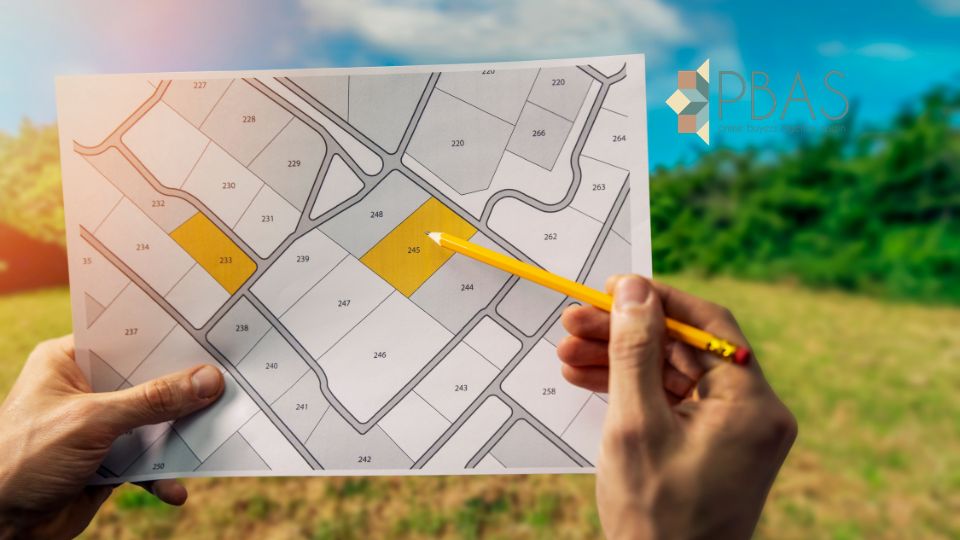
To many people, buying a plot of land in Spain sounds like a dream within reach. A place of your own in the sun, the freedom to build something yourself, and at the same time an interesting investment for the future. Especially when you see that prices in certain regions are still relatively attractive, the step seems easy to take.
But that is precisely where things often go wrong.
What appears to be a golden opportunity at first glance can in reality be a complex purchase with legal, technical, and administrative pitfalls. And that is mainly because buying land is fundamentally different from buying a home.
With a house, you see what you are buying. With a plot of land, you are primarily buying… possibilities. And it is precisely those possibilities that often turn out to be less straightforward in Spain than expected.
In this article, we will guide you through the most important points to consider, so that you can buy a plot of land not only with enthusiasm, but also with certainty.
It all starts with the zoning of the land!
One of the biggest misconceptions among buyers is that every piece of land is automatically building land. In Spain, things work differently. The land’s zoning determines everything — literally everything — you can do with it.
You are usually safest when a plot has the status of suelo urbano. This means that the land officially falls within the urban area and is, in principle, suitable for building on. But even here, caution is advised. After all, “building land” does not automatically mean you can start building tomorrow.
For example, the plot must have access to a public road, be able to connect to utilities, and comply with the rules of the local zoning plan. In some cases, it turns out that the infrastructure is not yet fully completed, meaning that as a buyer, you still have to invest in things like roads, lighting, or connections.
Additionally, there is another important distinction that is often overlooked: the difference between land ready for construction and land that is not yet. Only when everything is fully in order can you apply for a building permit without delay.
On the other hand, you have suelo urbanizable. This type of land has potential, but is not yet ready for development. It seems attractive due to the lower price, but requires patience. Sometimes you have to wait years before the land is actually developed — and during that time, additional costs for urbanization may also arise.
And then there is suelo rústico, the category that is perhaps most often misjudged. Large plots, beautiful nature, and low prices make it tempting, but in most cases, you are simply not allowed to build here. Nevertheless, many buyers believe they can realize their dream home here, which later leads to disappointment and financial losses.

What you don't see is often the most important thing
Besides the land’s zoning, the legal side is at least as important — and perhaps the most underestimated.
A plot of land may look perfect, but be full of legal risks. Consider debts still secured by the land, unclear ownership structures, or third-party rights that influence how you can use the plot.
In Spain, certain obligations simply transfer to the new owner. This means that after purchase, you may be faced with costs that were not actually yours — unless you checked this thoroughly beforehand.
The details of the plot itself must also be accurate. It is common for information in the land registry not to fully correspond with reality. Small discrepancies can cause major problems later on, for example, when you want to build or sell.
And if there are already structures on the plot, it is essential to verify whether they are legal. Illegal construction in Spain can have serious consequences, ranging from fines to mandatory demolition.

Building? First, understand what is possible
Many people buy a plot of land with the idea of building, but skip a crucial step: checking what is actually permitted.
Every municipality has its own rules, and these can vary greatly. The number of square meters you are allowed to build on, the height of the building, and even the distance to neighbors are all determined by local regulations.
That is why a visit to the municipality’s urban planning department is not an option, but a must. There, you will get a realistic picture of what is and isn’t possible.
And perhaps even more importantly: without an official building permit — the licencia de obra — you simply cannot build anything. No exceptions.
The practical side: utilities and accessibility
What often only becomes clear later are the practical challenges of a plot of land.
- Is there water?
- Is there electricity?
- Is the plot accessible at all via a public road?
In urban areas, this seems self-evident, but in rural zones, this can be a major problem. Installing utilities can cost thousands of euros, especially if the plot is located in a remote area.
Accessibility also plays a major role. Without official access to a public road, not only practical but also legal problems can arise.
The surroundings determine more than you think
You don’t buy a plot of land just for today, but also for the future. That is why it is important to look beyond just the land itself.
What does the surrounding area look like? What is nearby? And perhaps even more importantly: what is going to change?
A quiet location can be completely transformed within a few years by new infrastructure or construction projects. This can be positive for the value, but also negative for your living experience.
By visiting the plot at different times and requesting information from the municipality, you avoid surprises.
Why guidance is not a luxury
Finally, there is one factor that often makes the difference between a successful purchase and an expensive mistake: the right guidance.
An independent buyer’s agent representing your interests can identify risks you would never see yourself. From legal checks to building possibilities — everything is scrutinized before you make a decision.
And believe me: that is no unnecessary luxury in a market as complex as that of land in Spain.
See also:
What is the difference between a purchasing agent and a selling agent